
Advocacy

Preserving the 340B Drug Program

Caring for Vulnerable Communities Across Connecticut

For more than 30 years, the federal 340B Drug Program has helped hospitals stretch limited resources to improve lives and support low-income, uninsured, rural, and medically vulnerable communities. Today, as hospitals face growing financial pressures and significant federal policy changes impacting Medicaid, Medicare, and access to health insurance coverage, protecting the 340B program is more critical than ever.

What is the 340B Drug Program?

The federal 340B Drug Program requires pharmaceutical manufacturers that participate in Medicaid to sell certain outpatient drugs at discounted prices to eligible healthcare providers like not-for-profit hospitals and federally qualified health centers (FQHCs), generating valuable savings that support patients and communities most in need. In Connecticut, hospitals qualify for the 340B program because they serve a disproportionately high number of low-income, uninsured, and underinsured patients.

How Patients Benefit From 340B Savings

Hospitals use 340B savings to serve patients and communities by providing free and reduced-cost care to patients who cannot afford it and supporting access to essential health services, including to those patients insured by Medicaid and Medicare. The 340B program is a vital tool that supports hospitals in establishing and maintaining a wide range of initiatives that enhance community health. A well-functioning 340B program means healthier patients, stronger hospitals, and more resilient communities.

Fact Sheet

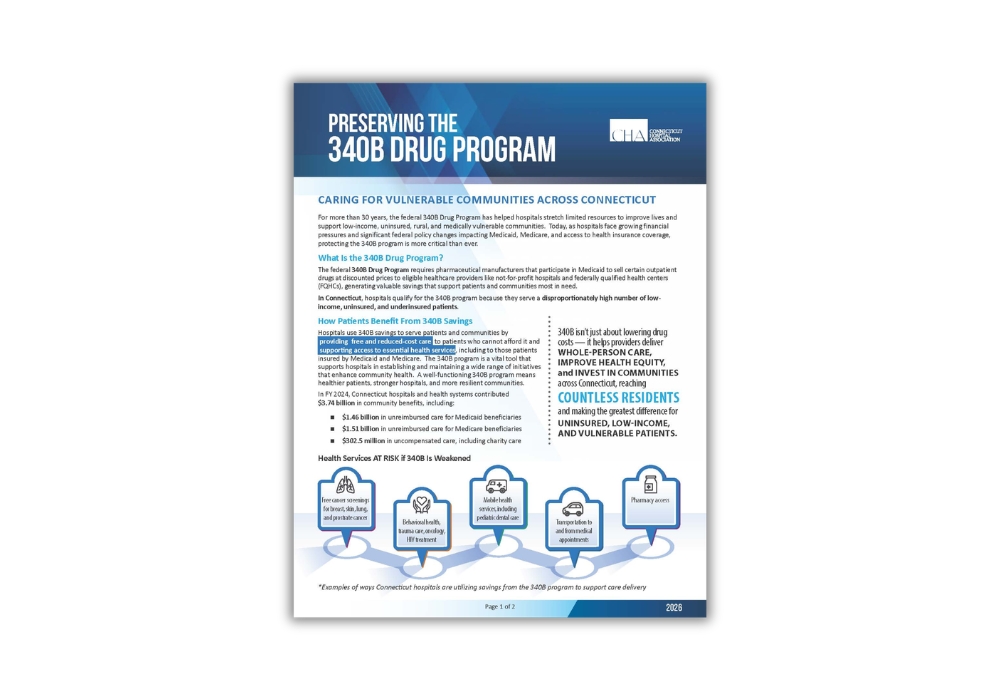
Preserving the 340B Drug Program

340B isn’t just about lowering drug costs — it helps providers deliver whole-person care, improve health equity, and invest in communities across Connecticut, reaching countless residents and making the greatest difference for uninsured, low-income, and vulnerable patients.
Download Fact Sheet

How Hospitals Are

Caring for Our Communities

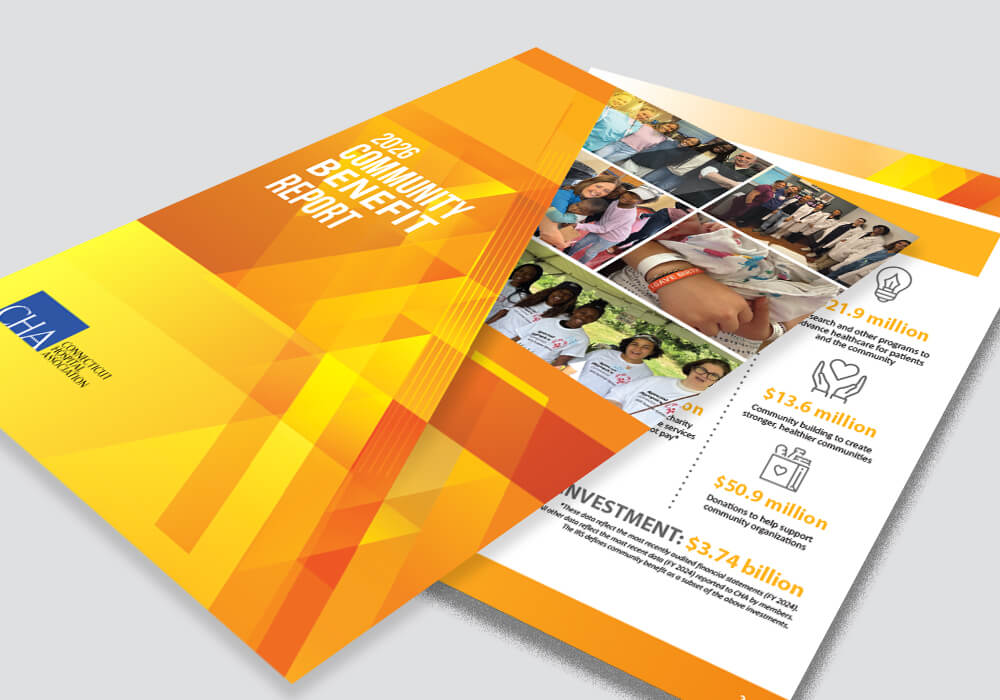
In FY 2024, Connecticut hospitals and health systems contributed $3.74 billion in community benefits, including:

  • $1.46 billion in unreimbursed care for Medicaid beneficiaries
  • $1.51 billion in unreimbursed care for Medicare beneficiaries
  • $302.5 million in uncompensated care, including charity care

Community Benefit ReportHospitals in Your Community

Free cancer screenings for breast, skin, lung, and prostrate cancer

Behavioral health, trauma care, oncology, HIV treatment

Mobile health services, including pediatric dental care

Transportation to and from medical appointments

Pharmacy access

Paul Kidwell

Paul Kidwell

Senior Vice President, Policy

(203) 294-7247
a2lkd2VsbEBjaGltZS5vcmc=